Mastering the Art of Blackjack: A Comprehensive Guide to Basic Strategy and Card Counting
Blackjack is more than just a game of chance. With the right approach, you can significantly improve your odds against the house. This guide provides a deep dive into blackjack basic strategy and an introduction to card counting, two essential skills for any serious player. We will explore how to make the optimal decision in any situation, understand the underlying mathematics, and manage your bankroll effectively.
The Foundation: Understanding Basic Blackjack Strategy
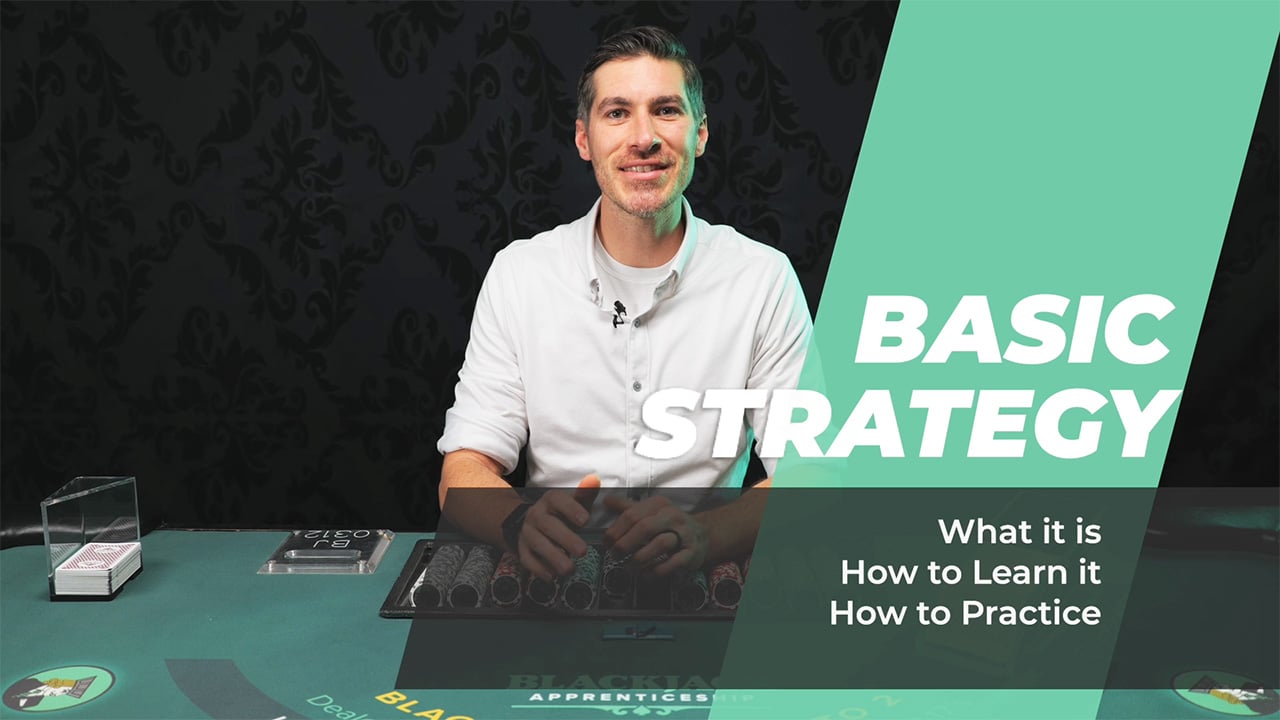
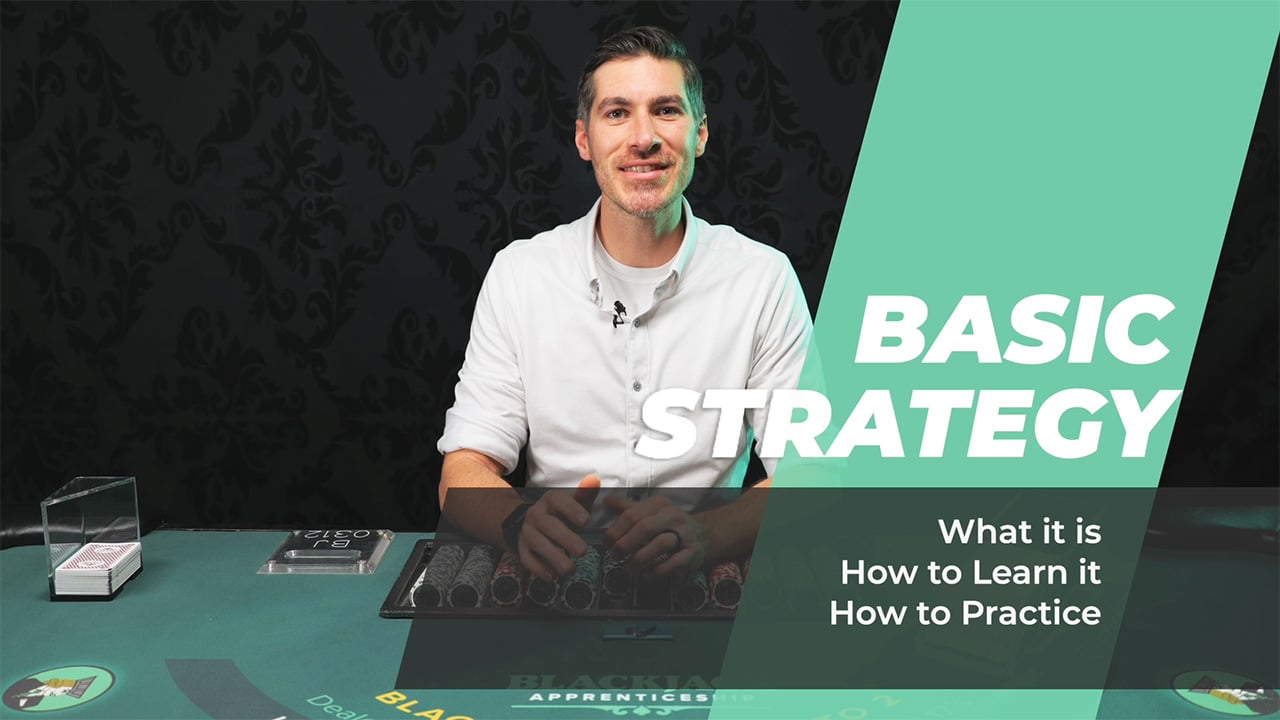
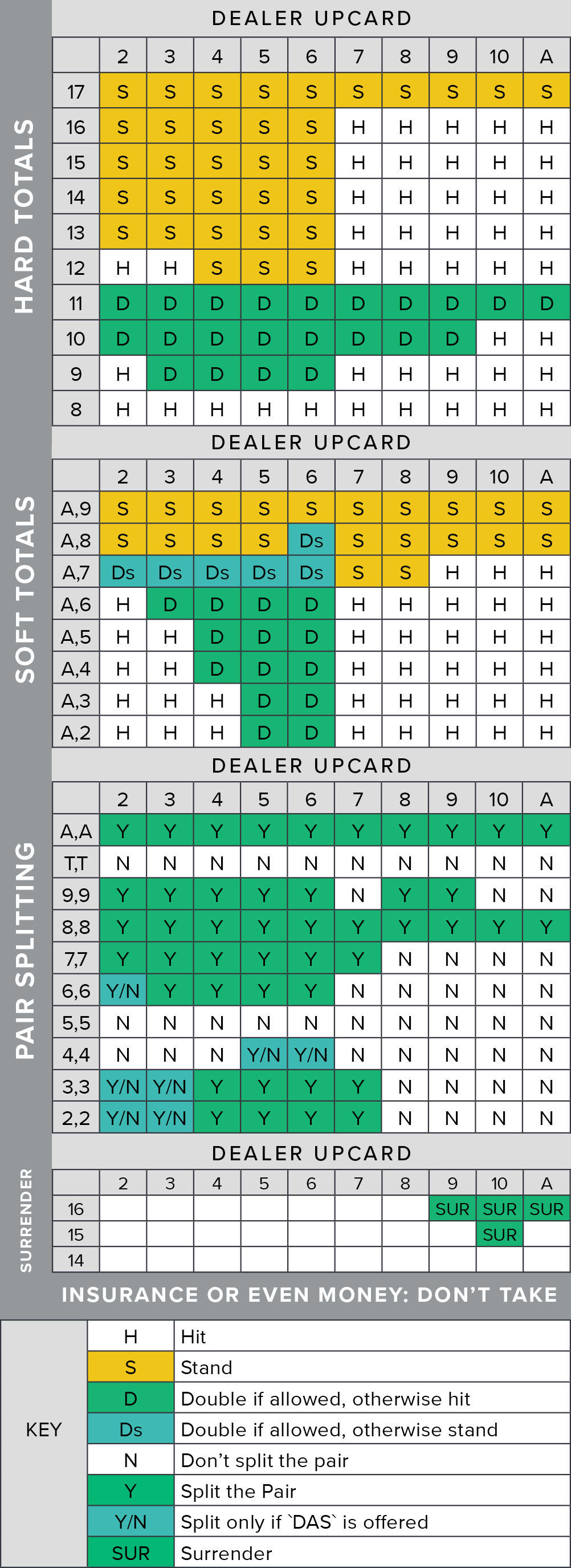
Basic strategy is a set of rules that tells you the best way to play your hand based on your cards and the dealer’s upcard. It was developed through millions of computer simulations and represents the mathematically optimal play for every possible scenario. While it doesn’t guarantee a win every time, it dramatically reduces the casino’s house edge. For a beginner, memorizing the basic strategy chart is the first and most crucial step towards becoming a successful blackjack player.
Key Decisions in Basic Strategy
There are four main decisions you’ll make in blackjack: hitting, standing, doubling down, and splitting pairs. Here’s a breakdown of when to do each:
- Hit or Stand: The most frequent decision you’ll make. Generally, you should hit if your hand is 11 or less. If your hand is 17 or more, you should stand. The decisions for hands between 12 and 16 are more complex and depend on the dealer’s upcard.
- Double Down: This is your best opportunity to increase your winnings. You should always double down on a hard 11. You should also double down on a 10 when the dealer has a 9 or less.
- Splitting Pairs: Splitting pairs can turn a weak hand into two strong ones. You should always split aces and 8s. However, you should never split 10s or 5s.
- Surrender: Some casinos allow you to surrender your hand and forfeit half your bet. This is a good option when you have a very weak hand, such as a 16 against a dealer’s 10 or Ace.
Beyond Basic Strategy: An Introduction to Card Counting
Once you’ve mastered basic strategy, you can move on to card counting. Card counting is a technique used to determine whether the next hand is likely to give an advantage to the player or the dealer. By keeping a running count of the high and low cards dealt, you can identify when the deck is rich in high cards (which is good for the player) and increase your bets accordingly.

How Card Counting Works
The most common card counting system is the Hi-Lo system. Here’s how it works:
- Low Cards (2-6): These are assigned a value of +1.
- Neutral Cards (7-9): These are assigned a value of 0.
- High Cards (10, Jack, Queen, King, Ace): These are assigned a value of -1.
As the cards are dealt, you keep a running count. A positive count indicates that there are more high cards remaining in the deck, which favors the player. A negative count indicates that there are more low cards remaining, which favors the dealer. When the count is high, you should increase your bets. When the count is low, you should bet the minimum.
Bankroll Management and Casino Countermeasures
Effective bankroll management is crucial for any blackjack player. You should only bet a small percentage of your total bankroll on any single hand, typically 1-2%. This will help you withstand the inevitable losing streaks and stay in the game long enough to capitalize on your advantage.
Casinos are well aware of card counting and take countermeasures to thwart it. These can include using multiple decks, shuffling the cards more frequently, and even asking suspected card counters to leave. It’s important to be discreet and avoid drawing attention to yourself. By mastering basic strategy, practicing card counting, and managing your bankroll wisely, you can turn the tables on the casino and become a winning blackjack player.
About the Author